
Best 3D Scanner for Reverse Engineering
Five scanners picked for repeatable, CAD-bridgeable accuracy rather than color prettiness, including options sized for car body panels and full engine components.
Explore the journal
Curated rankings that group scanners by use case and budget, with dated prices and honest notes on each pick’s weak points.
Five scanners picked for repeatable, CAD-bridgeable accuracy rather than color prettiness, including options sized for car body panels and full engine components.
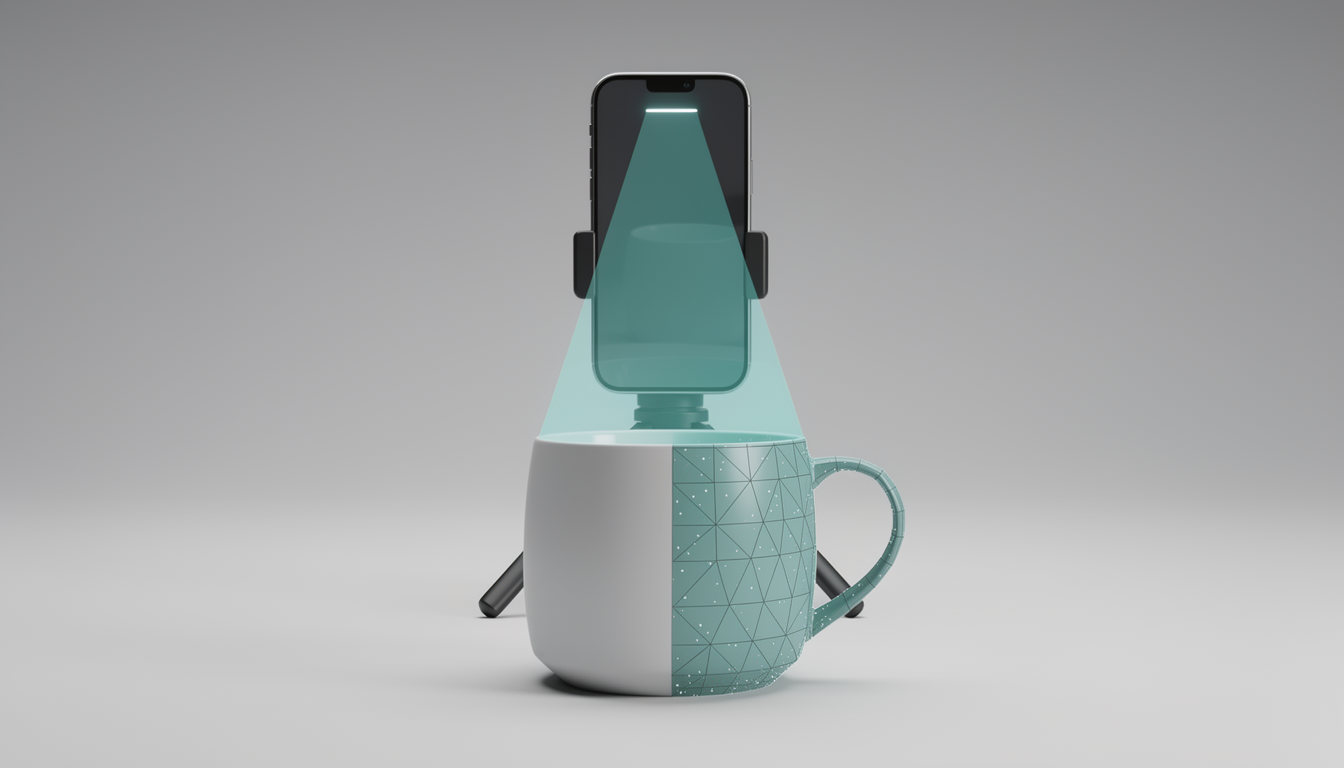
Four scanning apps for iPhone and Android, two free and two with paid tiers, covering both LiDAR-based and photogrammetry-based capture for readers who’d rather start with a phone.
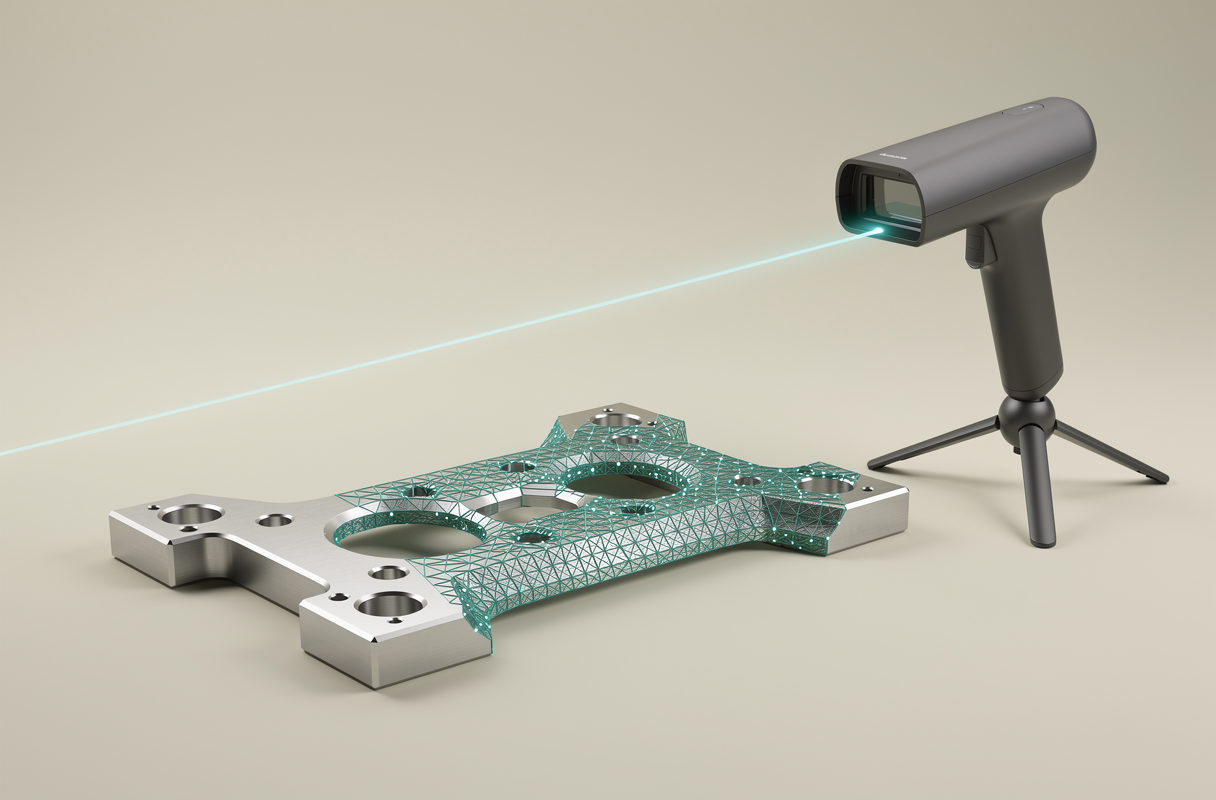
Five genuinely laser-based scanners ranked from a sub-$900 entry point up to a $4,999 standalone professional rig, for buyers who specifically need laser-line precision.
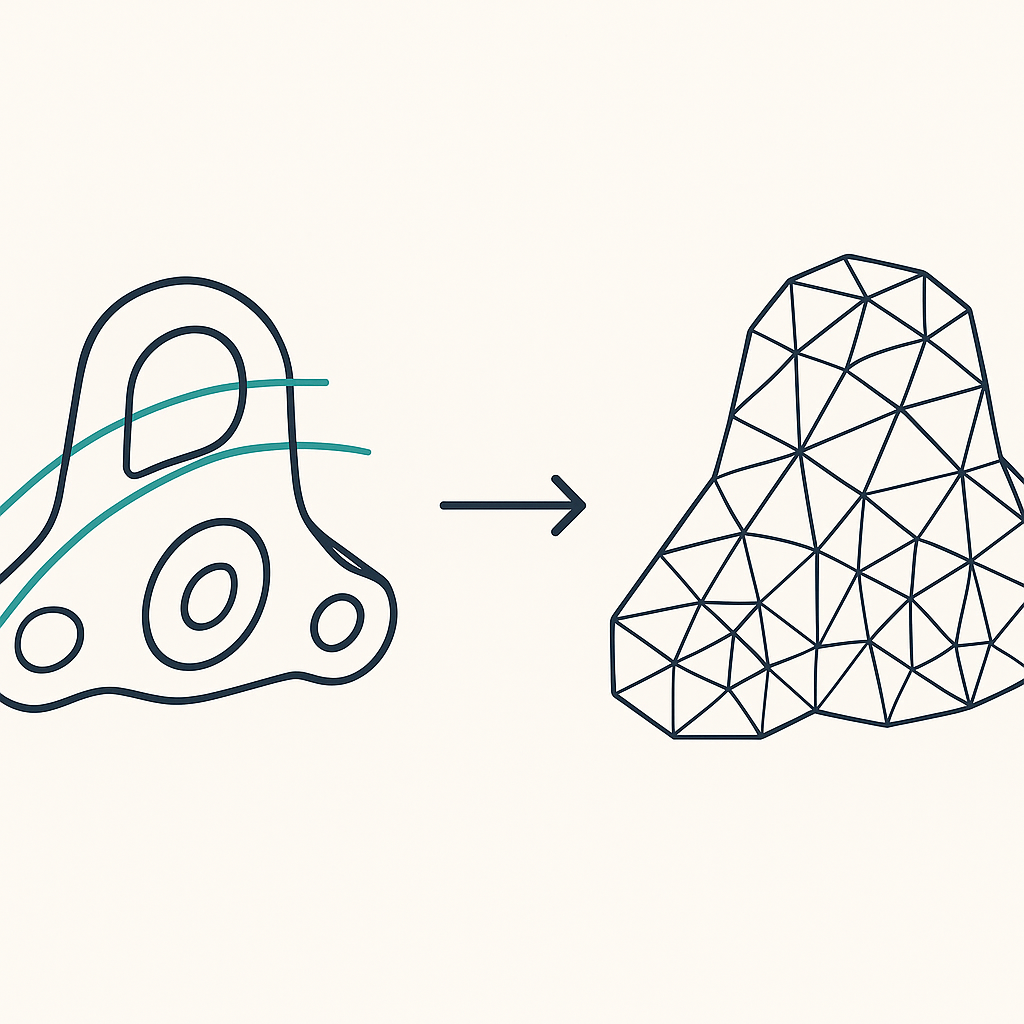
Five scanners picked for watertight, print-ready mesh output rather than the tightest metrology number, from a $699 handheld up to a $5,999 professional rig for larger props.
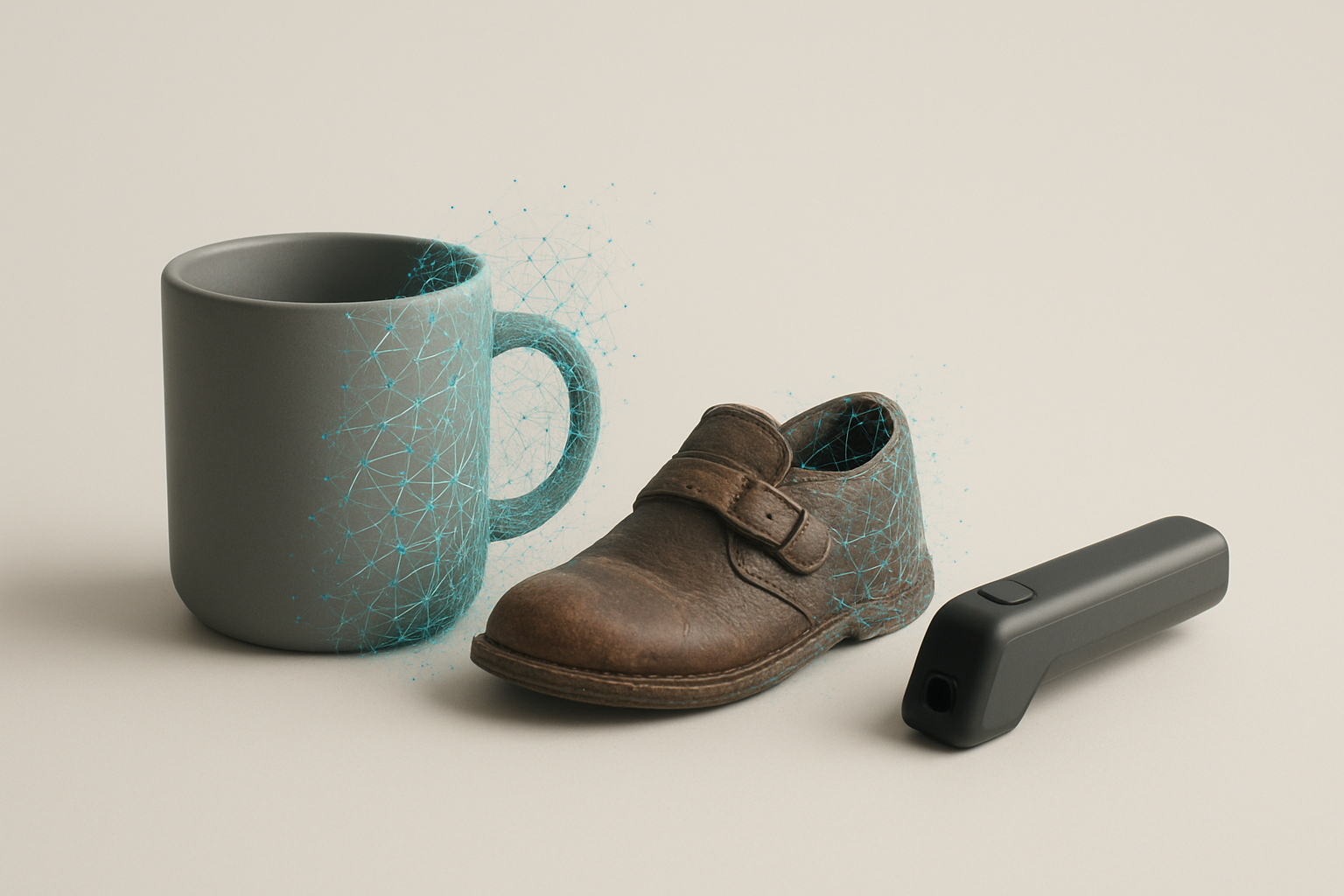
Six wand-style and standalone handhelds ranked from lightest and cheapest up to a fully self-contained field unit with its own touchscreen.
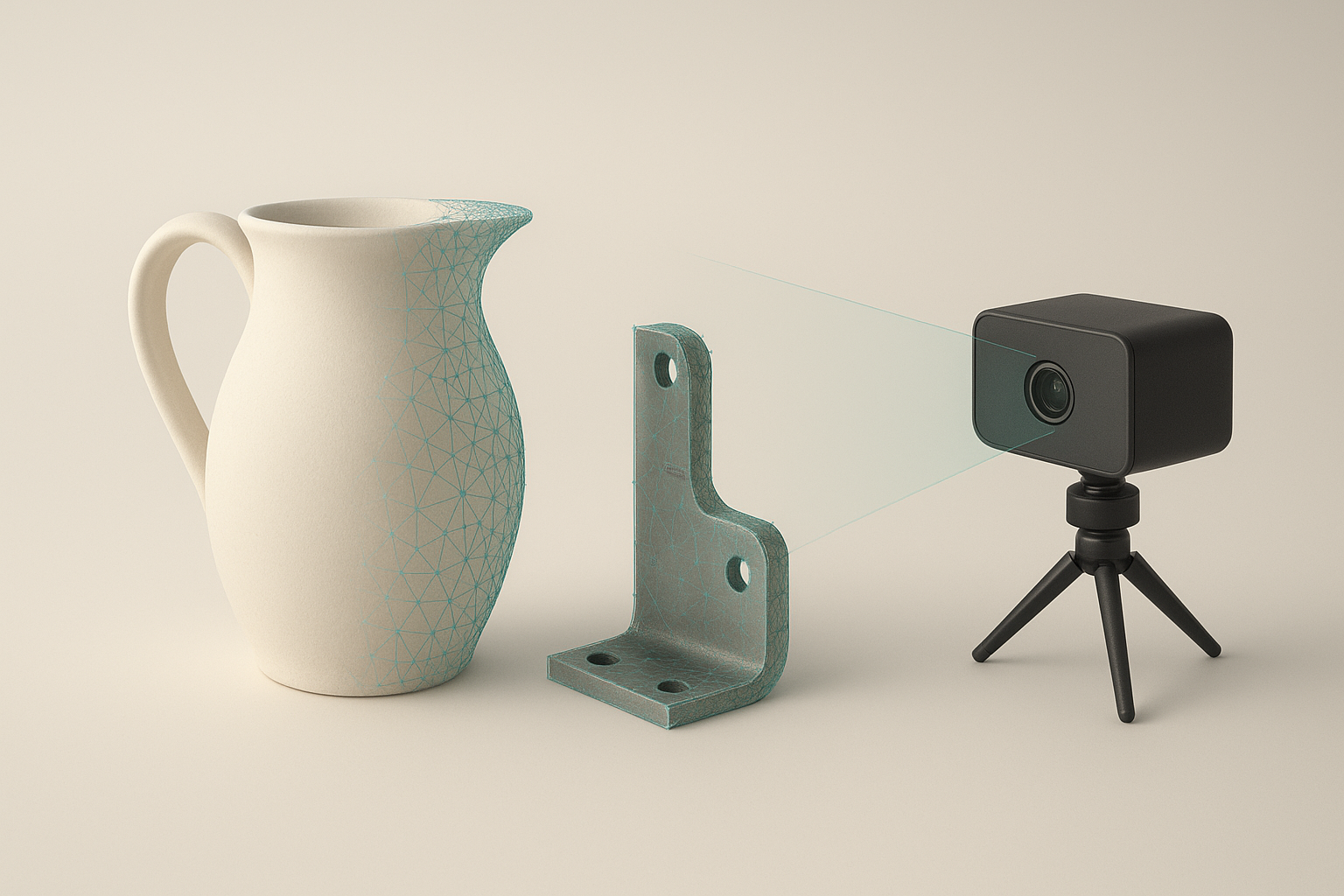
Five scanners under roughly $1,200 covering the cheapest wireless-free entry point, the lightest laser handheld, and the most affordable way to scan black or metallic parts.
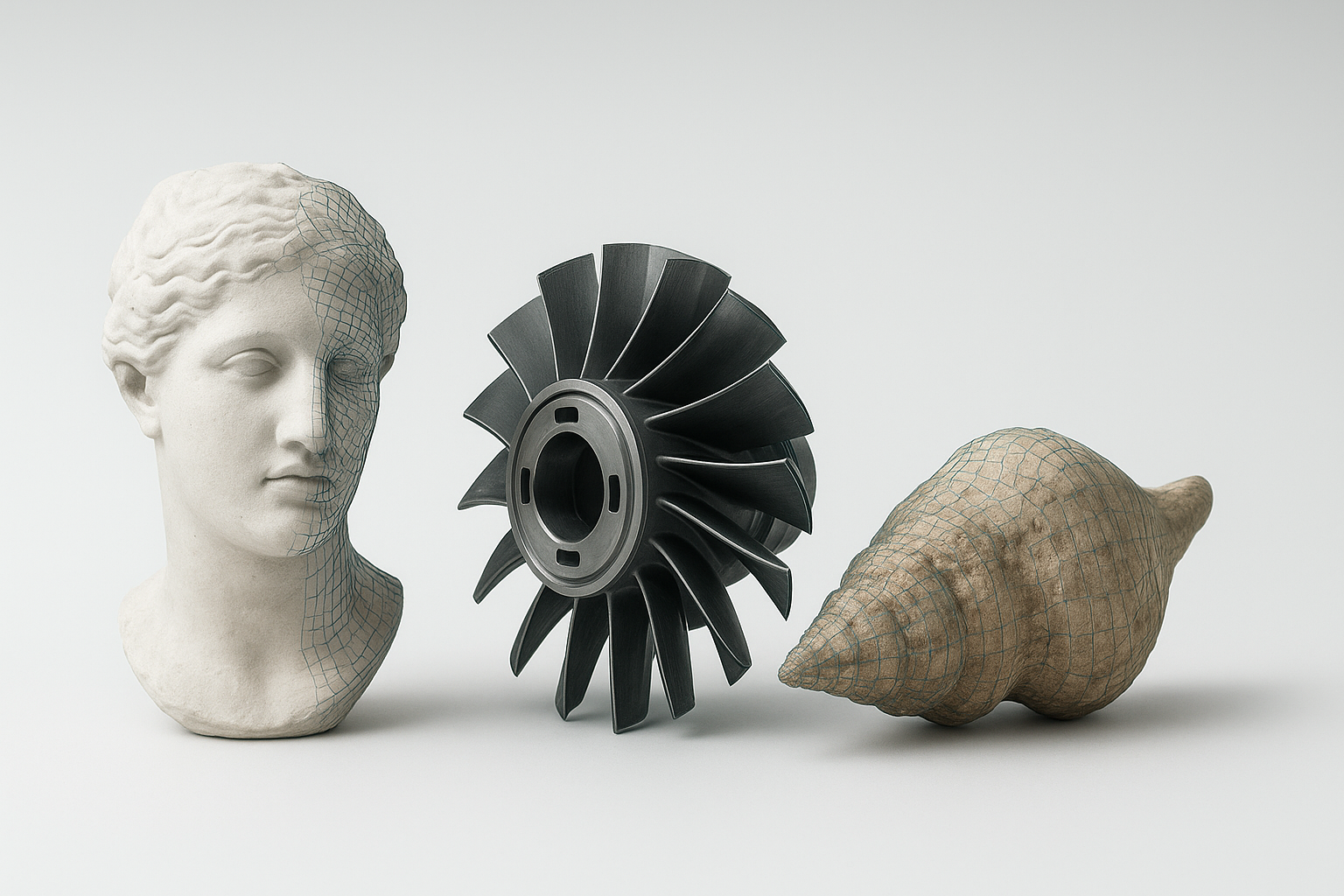
Seven picks spanning a $699 all-rounder to a $19,800 industrial rig, organized by the buying situation each one actually fits rather than a single overall winner.
Editorial images are conceptual CGI, not product photographs or in-house tests.